What factors influence the duration of mold removal?
The size of the affected area, the extent of the mold growth, and the type of materials affected are key factors that influence the duration of mold removal. For instance, a small, contained area with mold primarily on non-porous surfaces like tiles can be remediated more quickly than a large area where mold has penetrated porous materials like drywall or insulation. Additionally, the type of mold present can also affect the timeline; certain molds are more stubborn and require more intensive removal techniques.
Accessibility to the mold-affected area is another significant factor. If the mold is located in hard-to-reach places such as inside walls, under floorboards, or in attics, additional time will be needed to safely and effectively access and treat these areas. The specific remediation techniques required also play a role; some techniques, such as using advanced air scrubbers or sealing areas to prevent spore spread, may extend the process.
Finally, environmental conditions, such as humidity levels and temperature, can influence mold growth and, consequently, the remediation timeline. In Franklin Lakes, seasonal weather conditions might necessitate adjustments in the remediation approach. For comprehensive assessments, the services we offer in Franklin Lakes can provide a more accurate timeline.
Accessibility to the mold-affected area is another significant factor. If the mold is located in hard-to-reach places such as inside walls, under floorboards, or in attics, additional time will be needed to safely and effectively access and treat these areas. The specific remediation techniques required also play a role; some techniques, such as using advanced air scrubbers or sealing areas to prevent spore spread, may extend the process.
Finally, environmental conditions, such as humidity levels and temperature, can influence mold growth and, consequently, the remediation timeline. In Franklin Lakes, seasonal weather conditions might necessitate adjustments in the remediation approach. For comprehensive assessments, the services we offer in Franklin Lakes can provide a more accurate timeline.
What are the typical stages of mold removal?
Mold removal generally involves several key stages, each crucial to ensuring thorough eradication and a safe environment post-removal.
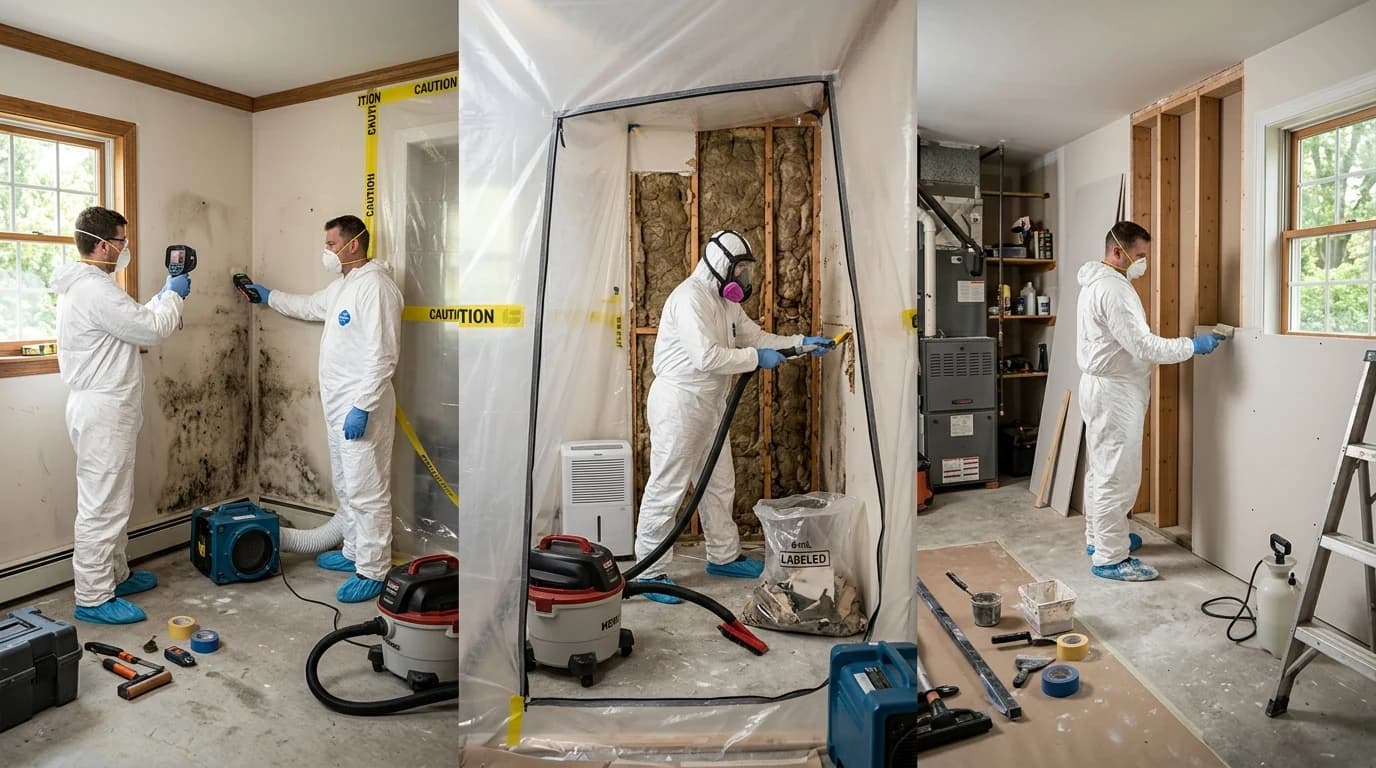
1. Inspection and Assessment: This initial stage involves a detailed inspection of the property to identify the extent and type of mold present. Professionals use tools such as moisture meters and infrared cameras to detect hidden mold and moisture sources. This stage typically takes a few hours to a day, depending on the property's size.
2. Containment: Once the mold is identified, containment measures are implemented to prevent the spread of mold spores. This might include sealing off affected areas with plastic sheeting and using negative air chambers. This stage is vital for ensuring that mold does not contaminate other areas of the home and can take a few hours to a full day, depending on the setup required.
3. Air Filtration: Specialized filtration equipment, such as air scrubbers and HEPA vacuums, is used to capture mold spores from the air. This process helps to clean the air and can run continuously for several days to ensure air quality is restored.
4. Mold Removal: The actual removal of mold from surfaces involves cleaning and treating affected areas with antifungal and antimicrobial treatments. In some cases, materials like drywall or carpet may need to be removed and replaced. This stage can vary widely in duration, from a day to several days, based on the extent of mold growth.
5. Restoration: The final stage involves restoring the home to its pre-mold condition. This can include minor repairs, such as replacing drywall and painting, or major repairs, depending on the damage. Restoration can take a few days to over a week.
Understanding these stages can help you prepare and manage expectations regarding the time required.
1. Inspection and Assessment: This initial stage involves a detailed inspection of the property to identify the extent and type of mold present. Professionals use tools such as moisture meters and infrared cameras to detect hidden mold and moisture sources. This stage typically takes a few hours to a day, depending on the property's size.
2. Containment: Once the mold is identified, containment measures are implemented to prevent the spread of mold spores. This might include sealing off affected areas with plastic sheeting and using negative air chambers. This stage is vital for ensuring that mold does not contaminate other areas of the home and can take a few hours to a full day, depending on the setup required.
3. Air Filtration: Specialized filtration equipment, such as air scrubbers and HEPA vacuums, is used to capture mold spores from the air. This process helps to clean the air and can run continuously for several days to ensure air quality is restored.
4. Mold Removal: The actual removal of mold from surfaces involves cleaning and treating affected areas with antifungal and antimicrobial treatments. In some cases, materials like drywall or carpet may need to be removed and replaced. This stage can vary widely in duration, from a day to several days, based on the extent of mold growth.
5. Restoration: The final stage involves restoring the home to its pre-mold condition. This can include minor repairs, such as replacing drywall and painting, or major repairs, depending on the damage. Restoration can take a few days to over a week.
Understanding these stages can help you prepare and manage expectations regarding the time required.
Can remediation be expedited?
While it's important not to rush the process, as thoroughness is key to successful mold removal, certain steps can be taken to expedite remediation. Early detection and prompt professional intervention are crucial in reducing the overall timeline. Homeowners should regularly inspect areas prone to moisture, such as basements, bathrooms, and kitchens, for early signs of mold.
Maintaining a dry and ventilated environment can prevent mold from spreading further during the cleanup process. Use dehumidifiers to keep humidity levels below 60%, and ensure proper ventilation in areas like bathrooms and kitchens by using exhaust fans. Fixing leaks promptly and ensuring proper drainage around the home can also help prevent mold growth.
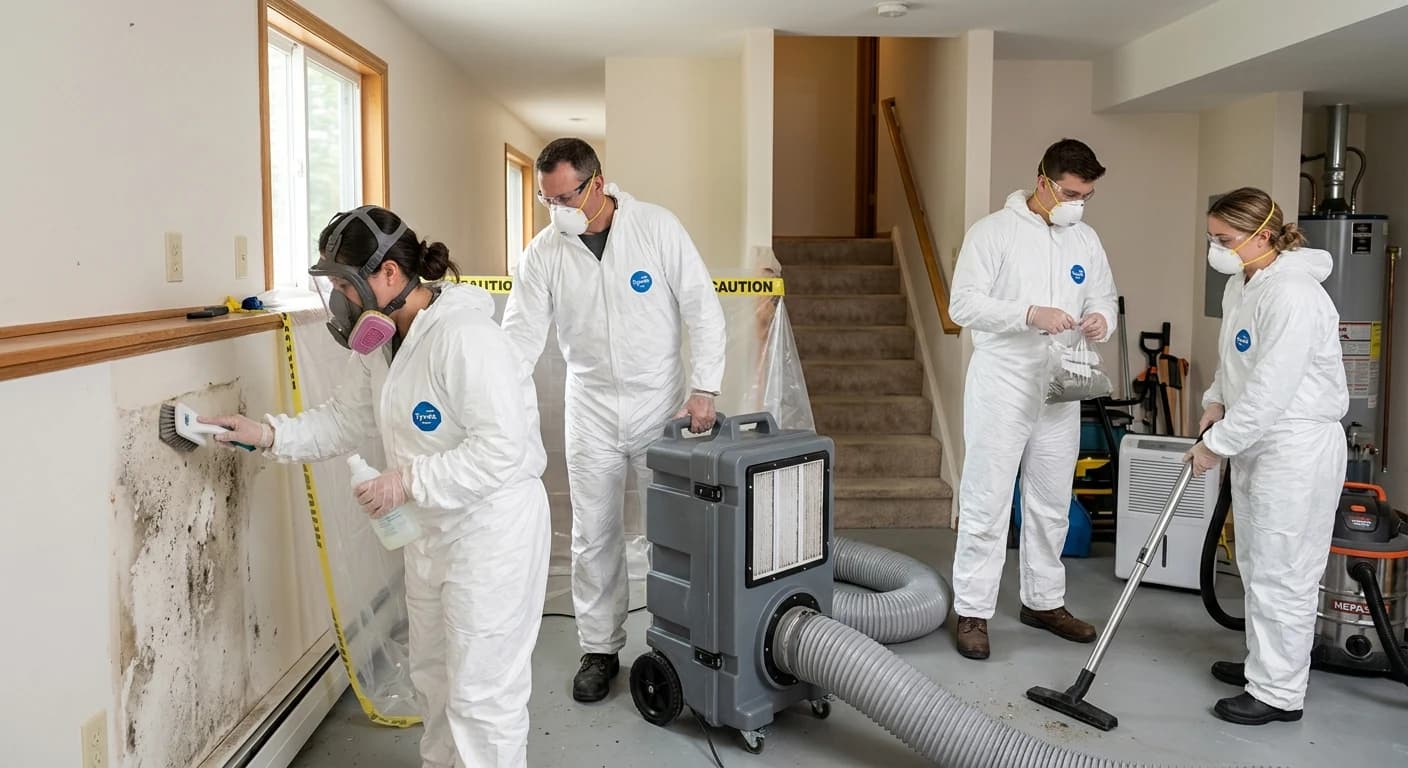
Additionally, choosing a professional remediation service with the right expertise and equipment can significantly speed up the process. Professionals use advanced techniques and tools that are more efficient than DIY methods. For instance, they might use industrial-grade dehumidifiers and air scrubbers that are more powerful than consumer-grade options, ensuring quicker drying and air purification.
Lastly, clear communication with your remediation team can help in planning and executing a faster process. By understanding the specific needs of your property and considering factors like the best times for access and any necessary preparations, you can help facilitate a smoother, faster remediation experience.
Maintaining a dry and ventilated environment can prevent mold from spreading further during the cleanup process. Use dehumidifiers to keep humidity levels below 60%, and ensure proper ventilation in areas like bathrooms and kitchens by using exhaust fans. Fixing leaks promptly and ensuring proper drainage around the home can also help prevent mold growth.
Additionally, choosing a professional remediation service with the right expertise and equipment can significantly speed up the process. Professionals use advanced techniques and tools that are more efficient than DIY methods. For instance, they might use industrial-grade dehumidifiers and air scrubbers that are more powerful than consumer-grade options, ensuring quicker drying and air purification.
Lastly, clear communication with your remediation team can help in planning and executing a faster process. By understanding the specific needs of your property and considering factors like the best times for access and any necessary preparations, you can help facilitate a smoother, faster remediation experience.
How to Choose the Right Mold Removal Service
Selecting the right mold removal service is crucial for ensuring a safe and effective remediation process. Start by researching local companies with strong reputations in the mold remediation industry. Look for certifications from recognized organizations such as the Institute of Inspection, Cleaning, and Restoration Certification (IICRC) or the National Organization of Remediators and Mold Inspectors (NORMI). These certifications indicate that the company adheres to industry standards and employs trained professionals.
Check online reviews and ask for recommendations from friends or family who have dealt with mold issues before. A reliable company should offer a detailed inspection and provide a comprehensive plan outlining the scope of work, estimated timeline, and costs involved. It's important to get multiple quotes to compare services and pricing but remember that the cheapest option isn't always the best.
Inquire about the equipment and techniques the company uses. Advanced technology, such as HEPA filtration systems and infrared cameras for moisture detection, can significantly improve the effectiveness of the remediation process. Additionally, ensure that the company offers post-remediation testing to confirm that the mold has been successfully removed.
Finally, verify that the company is licensed and insured. This protects you from potential liabilities and ensures that the company is accountable for any damages that may occur during the process. By taking these steps, you can select a mold removal service that meets your needs and provides peace of mind.
Check online reviews and ask for recommendations from friends or family who have dealt with mold issues before. A reliable company should offer a detailed inspection and provide a comprehensive plan outlining the scope of work, estimated timeline, and costs involved. It's important to get multiple quotes to compare services and pricing but remember that the cheapest option isn't always the best.
Inquire about the equipment and techniques the company uses. Advanced technology, such as HEPA filtration systems and infrared cameras for moisture detection, can significantly improve the effectiveness of the remediation process. Additionally, ensure that the company offers post-remediation testing to confirm that the mold has been successfully removed.
Finally, verify that the company is licensed and insured. This protects you from potential liabilities and ensures that the company is accountable for any damages that may occur during the process. By taking these steps, you can select a mold removal service that meets your needs and provides peace of mind.
Preventing Mold Recurrence After Remediation
Once mold removal is complete, it's essential to take proactive steps to prevent its recurrence. Mold thrives in damp environments, so controlling moisture is key. Regularly inspect your home for leaks, especially in areas prone to water exposure like bathrooms, kitchens, and basements. Repair any leaks promptly to prevent moisture accumulation.
Invest in a good dehumidification system to maintain indoor humidity levels below 60%. In areas like Franklin Lakes, NJ, where humidity can fluctuate with the seasons, keeping an eye on humidity levels is particularly important. Use exhaust fans in bathrooms and kitchens to improve ventilation and reduce moisture buildup.
Ensure that your home is well-ventilated. This might involve opening windows to allow fresh air circulation or installing additional vents in areas with poor airflow. Regular maintenance of HVAC systems is also crucial, as these can circulate mold spores if not properly cleaned.
Consider using mold-resistant products when renovating or building, such as mold-resistant drywall or paint. These materials can provide an additional layer of protection against mold growth. Additionally, educate your household members about the importance of maintaining a dry environment and the signs of mold to watch out for.
By implementing these preventive measures, you can significantly reduce the risk of mold returning, ensuring a healthier living environment for you and your family.
Invest in a good dehumidification system to maintain indoor humidity levels below 60%. In areas like Franklin Lakes, NJ, where humidity can fluctuate with the seasons, keeping an eye on humidity levels is particularly important. Use exhaust fans in bathrooms and kitchens to improve ventilation and reduce moisture buildup.
Ensure that your home is well-ventilated. This might involve opening windows to allow fresh air circulation or installing additional vents in areas with poor airflow. Regular maintenance of HVAC systems is also crucial, as these can circulate mold spores if not properly cleaned.
Consider using mold-resistant products when renovating or building, such as mold-resistant drywall or paint. These materials can provide an additional layer of protection against mold growth. Additionally, educate your household members about the importance of maintaining a dry environment and the signs of mold to watch out for.
By implementing these preventive measures, you can significantly reduce the risk of mold returning, ensuring a healthier living environment for you and your family.
How to Prepare Your Home for Mold Removal
Preparing your home before mold removal can streamline the process and ensure it's as effective as possible. Start by clearing the affected area of personal items and furniture, which not only protects your belongings from potential contamination but also gives the remediation team easy access to all necessary areas. If possible, relocate items to a dry, unaffected area of the house. For items that can't be moved, cover them with plastic sheeting to prevent mold spores from settling on them during the removal process.
Next, ensure that there is clear communication with your mold removal professionals. Discuss the scope of work, timeline, and any specific concerns you might have. This will help you understand what to expect and allow you to prepare accordingly. If you have pets, make arrangements to keep them away from the remediation area, as the equipment and chemicals used may not be safe for them.
Additionally, take steps to minimize disruption to your daily routine. Consider temporarily relocating if the mold removal process is extensive or if you or your family members have health conditions that could be exacerbated by mold exposure. This might be particularly relevant in areas like Franklin Lakes, where seasonal weather conditions could affect indoor air quality. By taking these preparatory steps, you can help ensure a smoother and more efficient remediation process.
Next, ensure that there is clear communication with your mold removal professionals. Discuss the scope of work, timeline, and any specific concerns you might have. This will help you understand what to expect and allow you to prepare accordingly. If you have pets, make arrangements to keep them away from the remediation area, as the equipment and chemicals used may not be safe for them.
Additionally, take steps to minimize disruption to your daily routine. Consider temporarily relocating if the mold removal process is extensive or if you or your family members have health conditions that could be exacerbated by mold exposure. This might be particularly relevant in areas like Franklin Lakes, where seasonal weather conditions could affect indoor air quality. By taking these preparatory steps, you can help ensure a smoother and more efficient remediation process.
Understanding Post-Remediation Verification
After mold remediation is completed, post-remediation verification (PRV) is a critical step to ensure the effectiveness of the removal process. This verification involves a thorough inspection and testing to confirm that mold levels have returned to normal and that the environment is safe for occupancy. PRV is typically conducted by an independent third-party professional to ensure unbiased results.
During PRV, air and surface samples are collected and analyzed to determine the presence of mold spores. This testing helps to verify that the remediation process has successfully removed the mold and that no new growth has occurred. It's important to note that PRV should be conducted after all cleaning and drying processes are complete, but before any reconstruction or repairs begin.
The results of the post-remediation verification provide peace of mind, confirming that the space is safe and that the mold issue has been effectively addressed. If the PRV results indicate that mold levels are still elevated, further remediation may be necessary. This step is crucial in preventing future mold problems and ensuring a healthy living environment.
Homeowners should request a detailed report of the PRV findings, which includes recommendations for maintaining a mold-free environment. By understanding the importance of post-remediation verification and ensuring it is part of your mold removal process, you can confidently restore your home to a safe and healthy state.
During PRV, air and surface samples are collected and analyzed to determine the presence of mold spores. This testing helps to verify that the remediation process has successfully removed the mold and that no new growth has occurred. It's important to note that PRV should be conducted after all cleaning and drying processes are complete, but before any reconstruction or repairs begin.
The results of the post-remediation verification provide peace of mind, confirming that the space is safe and that the mold issue has been effectively addressed. If the PRV results indicate that mold levels are still elevated, further remediation may be necessary. This step is crucial in preventing future mold problems and ensuring a healthy living environment.
Homeowners should request a detailed report of the PRV findings, which includes recommendations for maintaining a mold-free environment. By understanding the importance of post-remediation verification and ensuring it is part of your mold removal process, you can confidently restore your home to a safe and healthy state.